


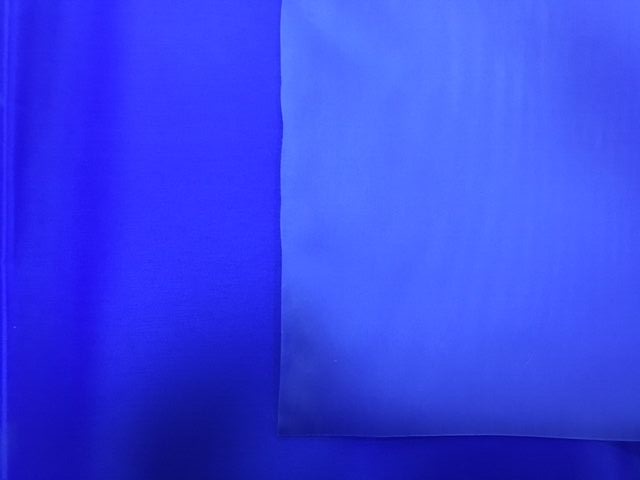
Nylon 70D Tissu enduit PVC
Nylon 70D PVC coated fabric is a coated technical textile developed for disposable blood pressure cuff manufacturing—where buyers care about stable coating weight, repeatable airtight/barrier performance, et production-friendly processing (coupe, sealing, and assembly). This article-style product page is written for B2B medical consumables brands, cuff OEM factories, and sourcing teams that need a clear specification baseline plus practical development options.
Enquête- Description
Nylon 70D PVC Coated Fabric — Medical Disposable Cuff Fabric
If you produce disposable blood pressure cuffs (NIBP cuffs) at scale, you already know what causes customer complaints and production waste:
-
Coating inconsistency → unstable feel and unpredictable sealing behavior
-
Pinholes / micro-leaks → pressure loss and failed QC
-
Edge tearing during assembly → low yield and rework
-
Supplier lot variation → hard to keep stable performance across repeat orders
Ce Nylon 70D PVC Coated Fabric is positioned as a procurement-friendly solution for cuff programs: a lightweight 70D nylon base combined with a PVC coating system to reach a higher total fabric mass (for barrier and structural stability) while keeping the construction suitable for industrial converting.
Spécifications clés
These are the purchasing fields listed on the referenced product page:
Nom de l'article: Nylon 70D Tissu enduit PVC (for disposable blood pressure cuff)
Matériel: 100% Nylon
nombre de fils: 70D × 70D
Densité: 190T, 210T
Poids: 300–340 GSM
Largeur: 150 cm
Usage: brassard de pression artérielle à usage unique
What “70D” and “190T/210T” Mean for Cuff Manufacturing
70D × 70D nylon indicates a fine-denier filament yarn construction—commonly selected when brands want a base cloth that’s smooth, flexible, and easy to convert. For cuff programs, this helps with:
-
Comfortable handfeel (important for patient-contact products)
-
Clean cutting and predictable fold lines
-
Stable lamination/coating support (when paired with the right coating recipe)
La liste 190T / 210T density typically reflects a tighter woven structure than low-count fabrics, which can support more uniform coating coverage and a cleaner surface. It also improves dimensional stability during converting (less shifting while cutting and stacking).
Why PVC-Coated Nylon is Used in Disposable Blood Pressure Cuffs
Disposable cuff systems need more than “waterproof.” They need a reliable barrier layer that supports:
1) Barrier and leak resistance (the practical requirement)
In cuff production, micro-leaks and pinholes are expensive. PVC coating is widely used in coated fabrics because it can form a continuous film layer (depending on recipe and process control), improving barrier behavior and helping reduce leak-related rejects.
2) Production-friendly assembly (sealing/welding compatibility)
Many cuff designs rely on bonding, heat sealing, or welding logic in certain panels or bladder-related parts. A PVC-coated surface can be engineered to improve bonding response and make assembly more consistent—especially important for high-output lines where speed and repeatability matter.
3) Higher finished GSM for structure and stability
The listed fabric weight is 300–340 GSM.
That weight range signals that the coating contributes significantly to the final mass—useful when the buyer wants a more “substantial” coated textile for cuff sleeves or structural layers that must hold shape, resist wrinkling, and stay stable during packaging and shipping.
4) Controlled friction and handling during converting
Cuff factories handle fabric in stacks, rolls, and cut panels. Coated surfaces can be tuned for slip/grip balance to reduce sticking in stacks or excessive sliding at sewing/assembly stations.
Applications typiques
The referenced product page lists the core use as disposable blood pressure cuff.
In practical B2B supply, this construction is commonly evaluated for:
-
Disposable cuff outer layers / sleeve panels
-
Coated barrier panels inside multi-layer cuff constructions
-
Other medical consumable covers where coated barrier + easy wipe-clean handling is required (spec-confirmation recommended)
If you share your cuff structure (single-layer sleeve vs multi-layer build), we can recommend the best density choice (190T vs 210T) and coating direction.
Manufacturing Notes
To reduce production waste and improve consistency, B2B buyers often control these points during sampling:
-
Cut edge behavior: confirm edge stability (no excessive fraying, no coating cracking at folds)
-
Sealing/bonding window: verify temperature/pressure/time window for your equipment
-
Panel creasing: ensure fold lines don’t create coating stress marks that later crack
-
Batch-to-batch feel: confirm surface tack level and stack release (important for automated cutting)
Because cuff manufacturing lines vary, the best approach is to run a small production trial with your real equipment settings before locking the bulk spec.
Essai & Compliance Guidance
Medical consumables buyers frequently request documentation and QC checks. While the exact test list depends on your market and product classification, common buyer-side checks include:
-
GSM verification across roll positions (center vs edges)
-
Coating adhesion checks (to prevent delamination during folding)
-
Leak/air retention checks at your internal QC stage (for cuff performance consistency)
-
Odor and surface cleanliness screening (important for patient-facing products)
If you need patient-contact compliance (par ex., ISO 10993-related requirements), confirm your target route early so material selection, additives, and test planning stay aligned. Final compliance always depends on the buyer’s finished product design and required certification path.
OEM / Options de personnalisation
Premium B2B buyers rarely want “one standard only.” They want a program material they can specify and reorder. Common development directions include:
-
Density choice: 190T vs 210T (balance of cost, structure, and surface)
-
Réglage du revêtement: toucher (softer vs firmer), surface tack control, gloss/matte preference
-
Options de couleur: for brand or hospital coding systems (confirm available color routes during sampling)
-
Width and roll format: standard width is listed as 150 cm ; other packing rules can be discussed
-
Lot traceability: labeling and production records for repeat orders and audit workflows
If you already have a benchmark fabric from a current supplier, send a physical sample and your target sheet. Matching look/feel is often faster when the reference is clear.
Ordering Guidance (
To quote accurately and reduce back-and-forth, share:
-
Your cuff type and structure (single-layer sleeve vs multi-layer build)
-
Preferred density option (190T or 210T)
-
Target GSM range (baseline listed: 300–340 GSM)
-
Exigence de couleur (le cas échéant)
-
Annual forecast + first trial quantity
-
Destination port / delivery window and any packing requirements
Appel à l'action (Demande de prix / Échantillon / Fiche technique)
Si vous recherchez Nylon 70D Tissu enduit PVC pour disposable blood pressure cuff programs and want stable bulk supply, send your target density (190T/210T), GSM requirement, and application details. We’ll respond with a detailed offer and sampling recommendations.
Contactez-nous pour une offre détaillée:
Entreprise: Lean Textile Co., Ltée.
Email: [email protected]
WhatsApp / WeChat: 008615051486055
FAQ
T1: What is the standard material composition?
UN: La page produit répertorie 100% nylon.
T2: What yarn count is used in the base fabric?
UN: The listed yarn count is 70D × 70D.
T3: What density options are available?
UN: La page produit répertorie 190T and 210T.
T4: What is the standard weight range?
UN: The listed weight range is 300–340 GSM.
Q5: Quelle est la largeur standard?
UN: La largeur indiquée est 150 cm.
Q6: What is the primary application?
UN: The page specifies disposable blood pressure cuff.
Q7: Can the surface feel be adjusted for different cuff designs?
UN: Often yes—coating recipes and finishing can be tuned for slip/grip and handfeel. Share your converting method and equipment so the sample matches real production.
Q8: Is this fabric suitable for heat sealing or bonding processes?
UN: Many cuff builds use sealing/bonding steps. The correct answer depends on your line settings and adhesive/sealing method—request a sample and run a small trial to confirm the processing window.
Q9: Can you support documentation for factory audits?
UN: We can support a procurement-friendly spec sheet and QC checkpoints (GSM, largeur, lot labeling). Tell us your audit requirements and we’ll align the documentation package.
Q10: How do I choose between 190T and 210T?
UN: Use 210T when you want a tighter woven base (often smoother and more stable); use 190T when you want a balanced cost/structure option. The best choice depends on your cuff structure and sealing method.
Tissu enduit
ENVOYER UNE DEMANDE
Produits connexes


Copyright © 2026 Lean Textile Co., Limited Tous droits réservés