


Polyester 300D Anti-Static Oxford Fabric Waterproof Flame Retardant Pu Coating NFPA2112
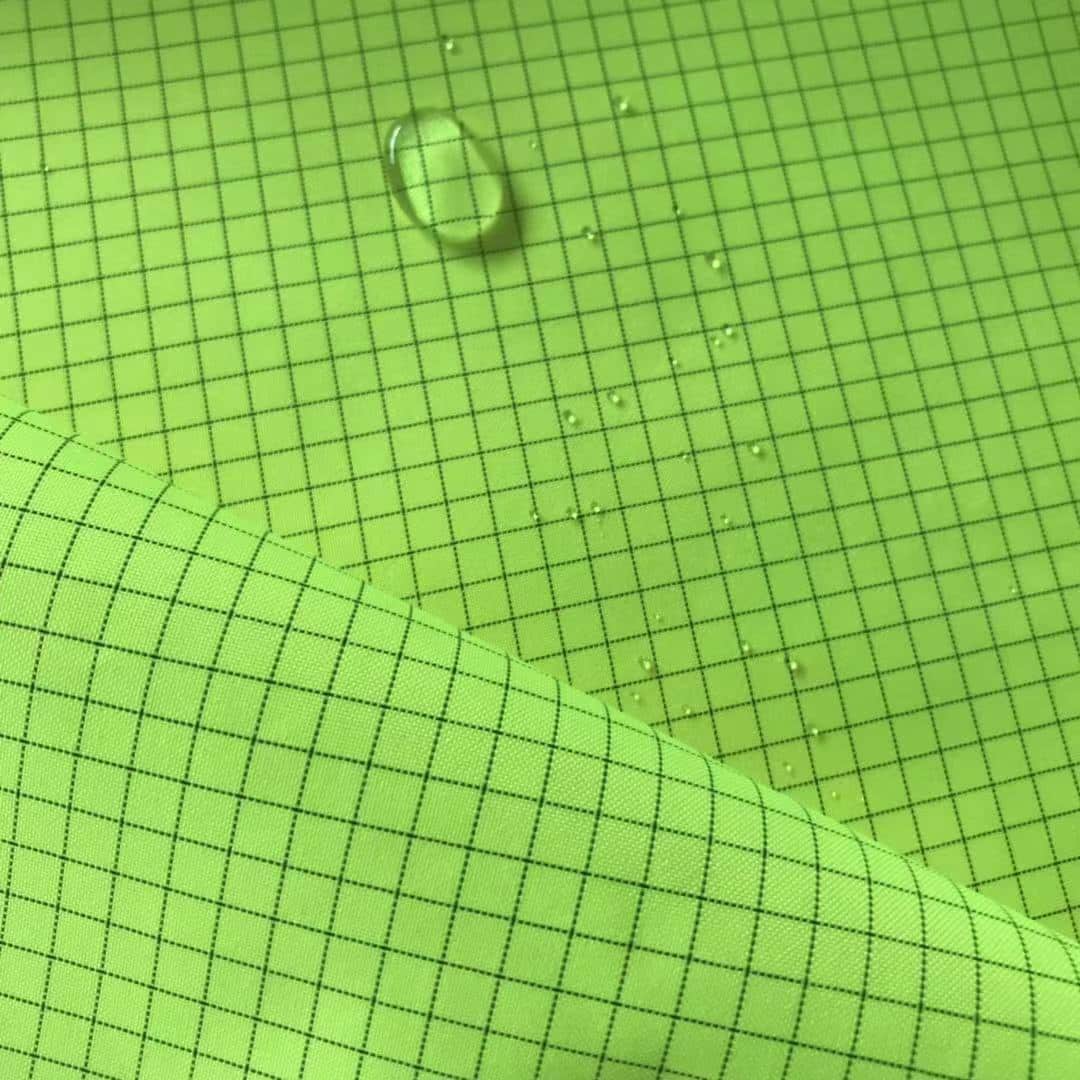
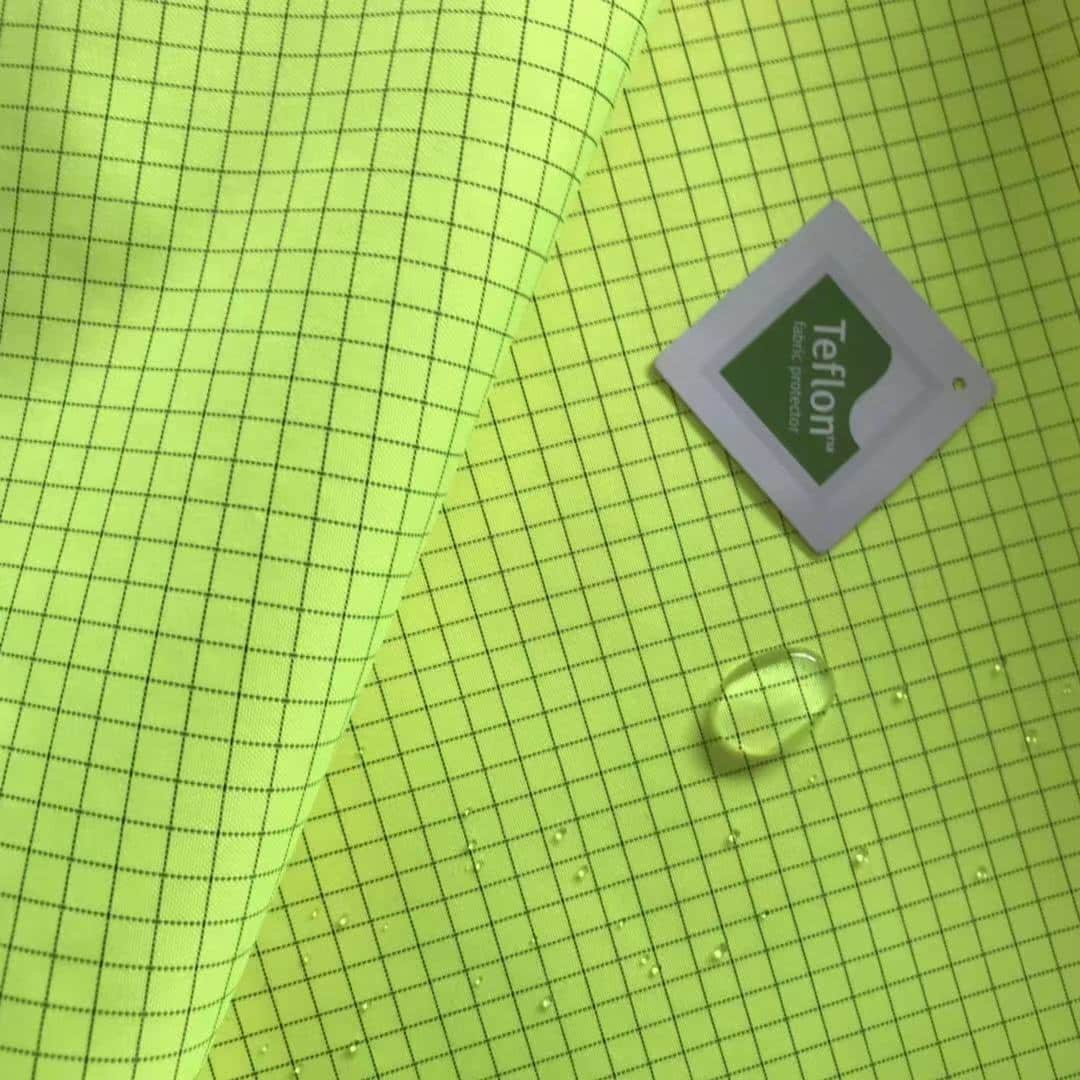
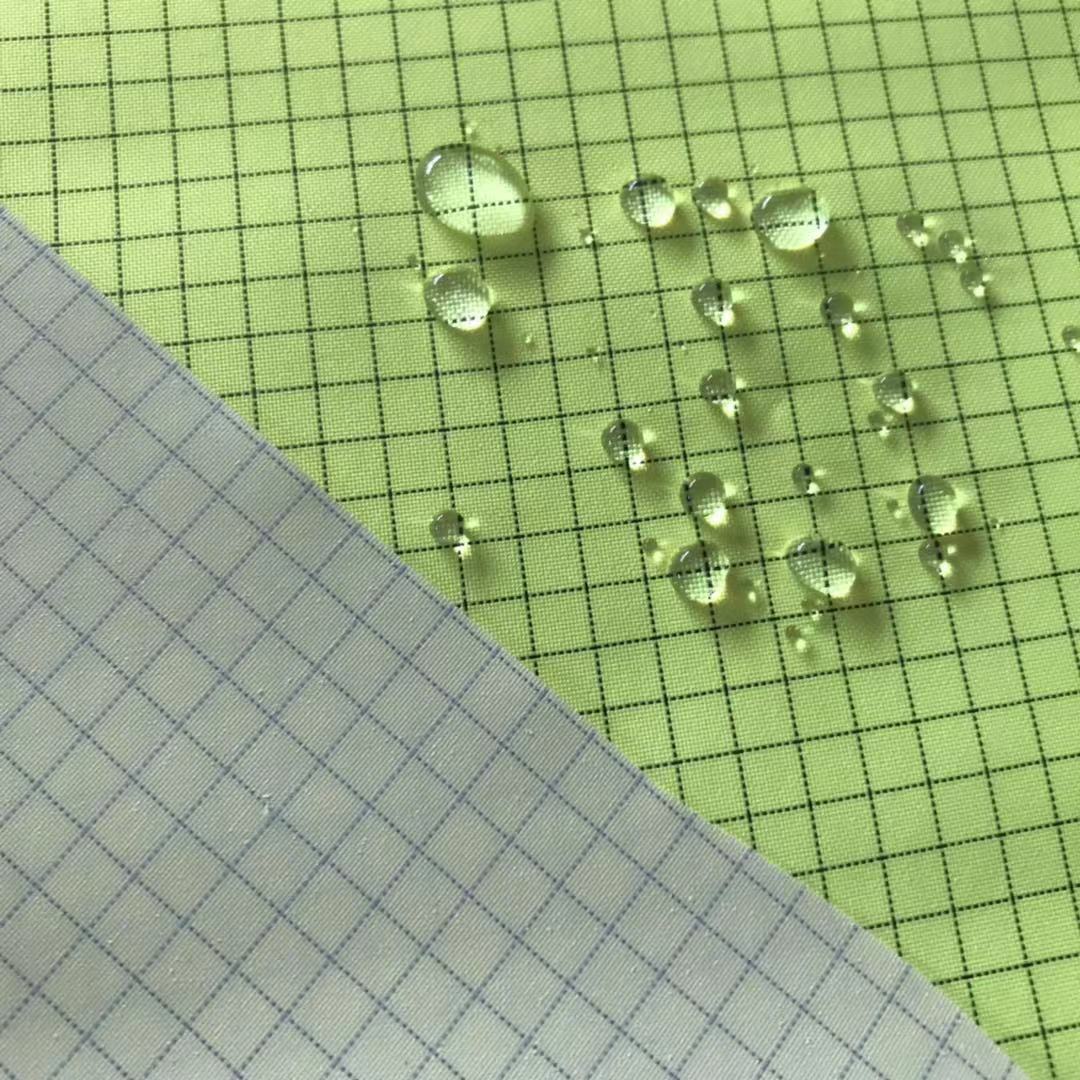
Polyester 300D Oxford Fabric with Waterproof PU Coating and Flame Retardant performance aligned with NFPA 2112 is a professional-grade shell fabric developed for premium B2B workwear and protective suit programs. Using a stable 300D*300D Oxford construction and a functional finishing package—8000mm hydrostatic head waterproofing, FR performance, anti-static electrical surface resistivity 10⁶ Ω, plus oil/stain protection (Teflon waterproof finishing)—it helps brands build durable garments for industrial environments where weather protection, flame risk reduction, and static control are all part of the spe
Inquiry- Description
Polyester 300D Anti-Static Oxford Fabric Waterproof Flame Retardant PU Coating (NFPA 2112)
When your customers operate around heat sources, hydrocarbons, machinery, and outdoor weather, a “basic coated fabric” is rarely enough. Premium B2B buyers—especially industrial workwear brands and PPE manufacturers—care about three things:
-
Protection performance they can specify and document
-
Repeatable bulk quality across lots and seasons
-
Production practicality (stable cutting/sewing, consistent handfeel, and reliable finishing)
This 300D Polyester Oxford is designed for that level of sourcing. It combines a durable Oxford base with a waterproof PU coating system and FR performance described as NFPA 2112, plus anti-static behavior and oil/stain resistance. The result is a versatile protective fabric solution for workwear jackets, protective suits, and industrial outer shells where durability and risk reduction matter.
Why Premium B2B Buyers Choose This Fabric
1) Waterproof performance you can spec: 8000mm water pressure
The finishing is listed as Waterproof, 8000 mm Water Pressure, giving procurement teams a clear waterproof target for wet-weather PPE shells and protective over-garments.
In many textile programs, hydrostatic head (“mm”) is a standard way to define resistance to water penetration, helping buyers compare materials and write clear RFQs.
2) Flame-retardant performance aligned with NFPA 2112 (flash fire focused)
NFPA 2112 is an NFPA standard centered on flame-resistant clothing for protection of industrial personnel against short-duration thermal exposures from fire (flash fire).
For brand buyers, this matters because the standard frames the performance expectations and testing route typically referenced in industries like oil & gas, chemical, and petrochemical operations.
Important note for compliance teams: NFPA 2112 is primarily associated with garment-level requirements, while fabrics/components can be tested for compliance as part of the overall system. Final certification/labeling depends on the finished garment and the full test program.
3) Anti-static behavior: electrical surface resistivity 10⁶ Ω
This product lists Electrical Surface Resistivity: 10⁶ Ω—a valuable feature in workplaces where static control is part of the safety and comfort spec.
Many ESD references describe 10⁶–10⁹ Ω as a “static dissipative” range (controlled discharge rather than sudden spark).
4) Oil/stain protection via “Teflon waterproof finishing”
The feature list includes Teflon waterproof finishing, protect from oil, stains, supporting easier maintenance and a cleaner appearance for industrial uniforms and protective outerwear.
5) Practical 300D Oxford structure for balanced durability and weight
With 300D*300D yarn count, 23×22 density, and 210 gsm weight, this fabric targets a balanced build: durable enough for industrial use while still workable for garment manufacturing (cutting, sewing, taping/finishing decisions depend on your garment design).
Technical Specifications (Standard Offering)
-
Material: 100% Polyester
-
Yarn Count: 300D*300D
-
Density: 23×22
-
Weight: 210 gsm
-
Width: 150 cm
-
Electrical Surface Resistivity: 10⁶ Ω
-
Finishing: Waterproof, 8000 mm water pressure, Flame-Retardant NFPA 2112
-
Extra finishing: Teflon waterproof finishing (oil/stain protection)
-
Usage: Workwear, Jacket, Protective suit, etc.
-
Packaging: By roll or according to client requirement
Application Scenarios (Where This Fabric Fits Best)
Industrial workwear outer shells
For jackets and over-garments used in environments that combine weather exposure + workplace hazards, a waterproof + FR + anti-static package helps brands meet customer checklists while keeping product wearability practical.
Protective suits and maintenance gear
Protective suits often face abrasion, repeated movement, and contamination. A robust Oxford base plus oil/stain resistance can improve garment appearance and service life in real use.
Utility and multi-risk uniforms
If your end market requests “multi-risk” uniform features (water resistance, FR performance references, and static control), this fabric provides a strong base spec for OEM programs—especially where buyers want an engineered finishing package rather than a single-function fabric.
What “NFPA 2112” Means for Buyers (Practical Guidance)
NFPA 2112 is recognized for defining performance requirements and test methods for flame-resistant clothing intended to reduce burn injury severity during short-duration thermal exposure from fire (flash fire).
For sourcing teams, the most helpful way to use NFPA 2112 in a project is:
-
Confirm the hazard type: NFPA 2112 is associated with flash fire, not arc flash (different hazard category).
-
Treat fabric as one part of the system: garment pattern design, closures, seams, reflective trims (if any), and component compatibility all affect final results.
-
Plan documentation early: premium buyers usually want a clear TDS, test plan alignment, and lot consistency controls before scaling production.
Production & OEM Program Advantages
Stable bulk sourcing
Brand buyers don’t just buy “one order”—they build a supply program. This fabric’s clear spec set (300D, 210 gsm, 150 cm, 8000mm) makes it easy to lock a material standard and repeat it across seasons and production runs.
Easier factory workflow
Oxford constructions are widely used because they are stable in cutting and sewing. Combined with a defined PU waterproof system, it supports scalable production planning for OEM factories (final seam sealing decisions depend on your garment design and waterproof requirement).
Value-added finishing in one package
Instead of sourcing separate solutions for water resistance, oil/stain resistance, anti-static behavior, and FR references, this fabric bundles key features commonly requested in industrial PPE programs.
Customization
If your brand needs a tighter spec, these are typical program knobs:
-
Color matching / shade control and lot tracking
-
Waterproof target confirmation (test method alignment + target mm)
-
Handfeel tuning (stiffer vs softer) for jacket vs suit end use
-
Packing/labeling requirements for warehouse and production management
Call to Action (RFQ / Sample / Technical Sheet)
If you are developing industrial FR workwear or protective suits and need a reliable fabric supplier, send your target application, color, quantity, and required testing/market destination. We’ll reply with a detailed offer, sampling options, and technical sheet.
Contact Us for a Detailed Offer:
Company: Lean Textile Co., Ltd.
Website: https://www.technical-fabrics.com/
Email: [email protected]
WhatsApp / WeChat: 008615051486055
FAQ
Q1: Is this “NFPA 2112 certified fabric” or “NFPA 2112 certified garment”?
NFPA 2112 is commonly associated with garment requirements for flash fire protection, while fabrics/components can be tested for compliance as part of the overall system. Final certification/labeling depends on the finished garment and test program.
Q2: What does 8000mm waterproof mean for a workwear jacket?
The fabric is listed as 8000 mm water pressure. Actual “keep-dry” performance in a jacket depends on seams, stitching, and whether seam sealing is used.
Q3: What does electrical surface resistivity 10⁶ Ω indicate?
The product lists 10⁶ Ω surface resistivity. Many ESD references consider 10⁶–10⁹ Ω a static dissipative range (controlled discharge).
Q4: Is the oil/stain protection included?
The feature list includes Teflon waterproof finishing for oil and stain protection. If you have a restricted-chemistry requirement, share it so we can align the finishing option to your compliance needs.
Q5: What are the standard specs (weight/width/construction)?
100% polyester, 300D*300D, 23×22, 210 gsm, 150 cm width.
Q6: What end uses is it recommended for?
The product page lists workwear, jacket, protective suit, etc.
Q7: Can you pack and label by our requirements?
Yes. Packaging is listed as by roll or according to client requirement.
Oxford Fabric, Anti-static Fabric, Coated Fabric, Flame Retardant Fabric
SEND INQUIRY
Related Products


Copyright © 2026 Lean Textile Co., Limited All rights reserved