



Polyester 300D Oxford Hi-Vis Orange Waterproof Fabric PU Milky | EN ISO 20471 / RIS-3279-TOM / EN 343
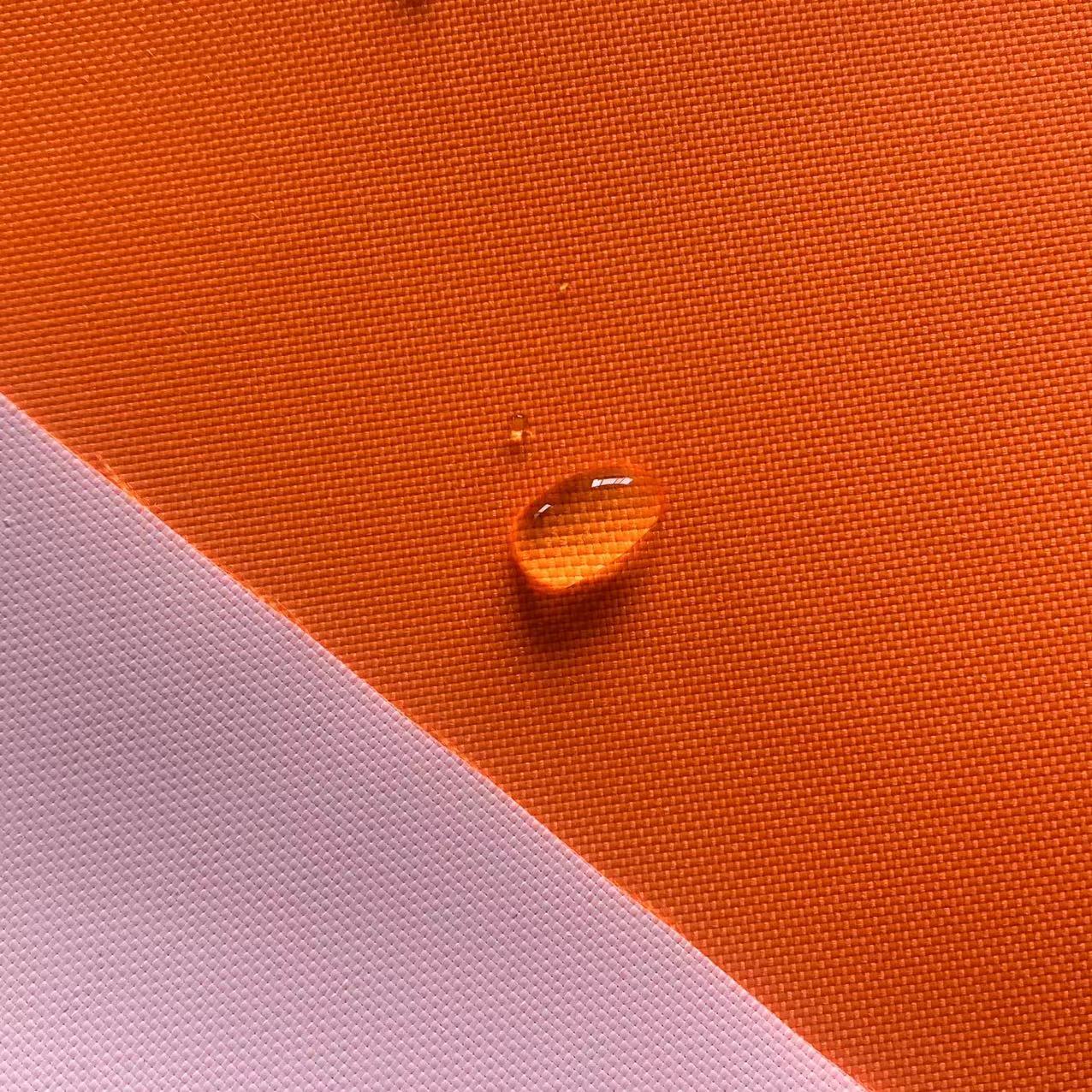
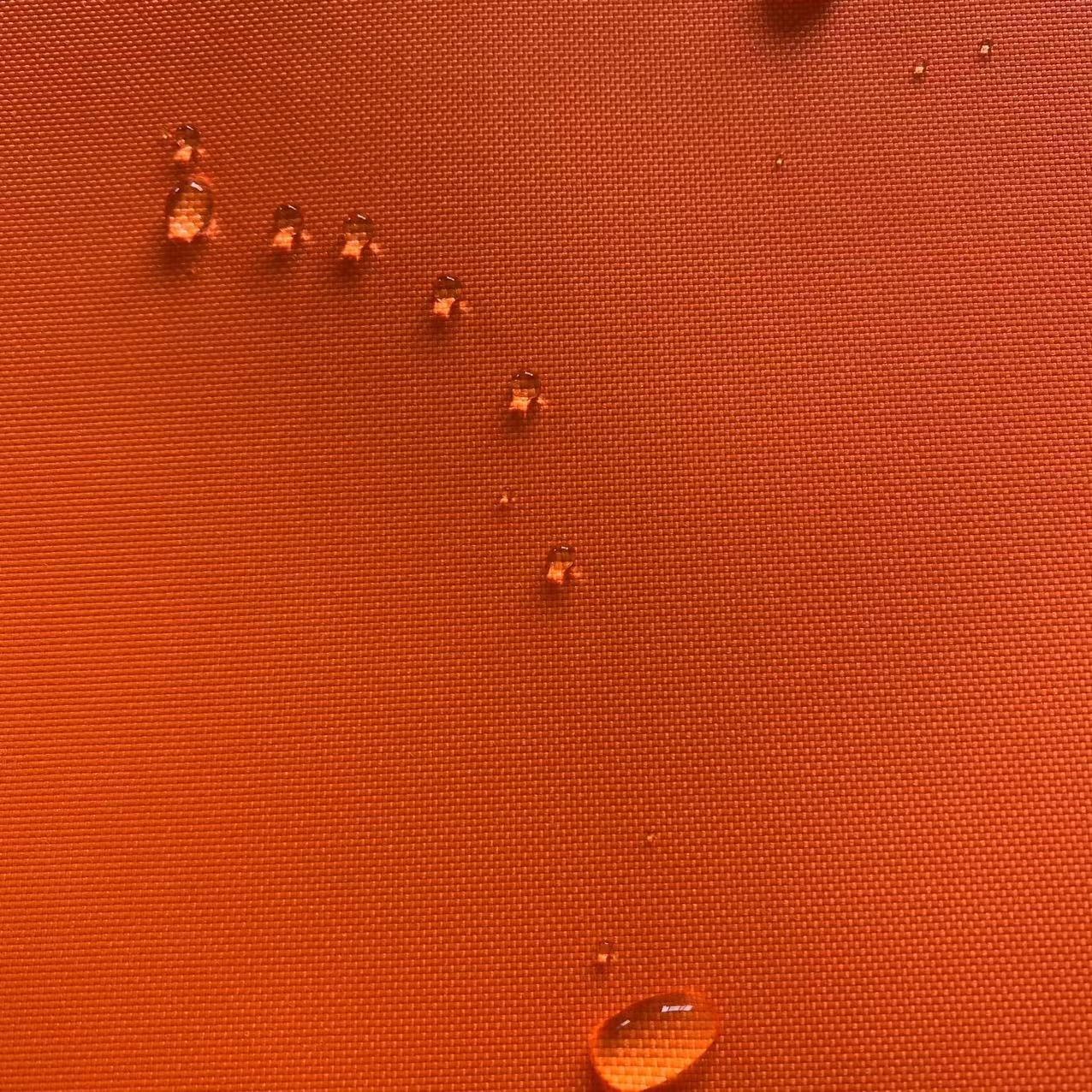
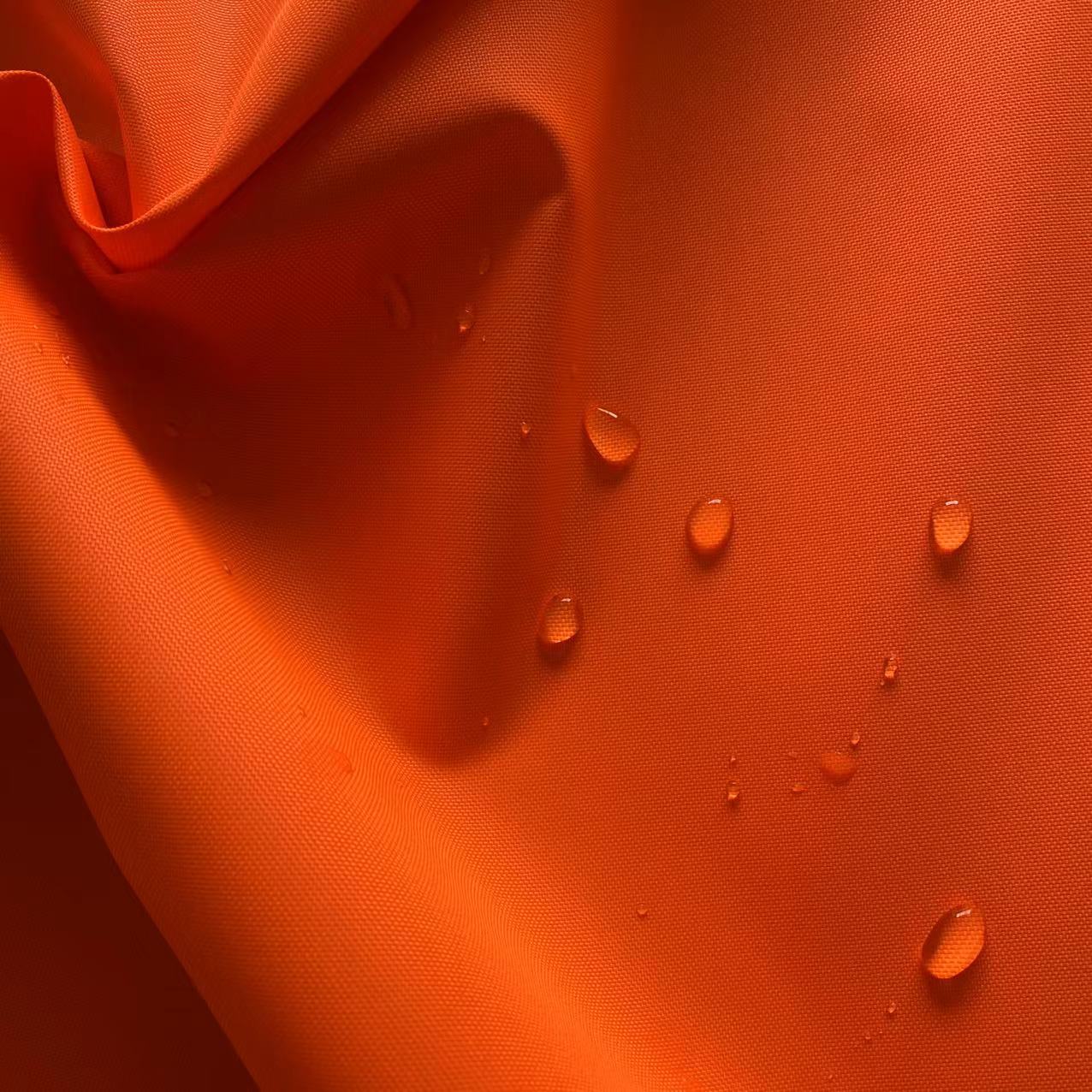
Polyester 300D Oxford Hi-Vis Orange Waterproof Fabric is a durable, high-visibility shell material designed for premium PPE workwear, rail safety garments, and rainwear. It features a fluorescent hi-vis orange face for strong daytime conspicuity and a PU milky (white) coating on the back for clean appearance and reliable water resistance, reaching around 3000mm-10,000 mm hydrostatic head. This fabric is ideal for manufacturers and brands developing garments aligned with EN ISO 20471, RIS-3279-TOM, and EN 343 requirements, offering stable production quality, consistent shade control, and easy garment processing for large-scale uniform and tender programs.
Inquiry- Description
Polyester 300D Oxford Hi-Vis Orange Waterproof Fabric (PU Milky Coating)
EN ISO 20471 + RIS-3279-TOM + EN 343-ready shell fabric for premium PPE, rail, and rainwear programs
When you supply high-visibility PPE into construction, municipal services, logistics, and especially railway trackside operations, “orange” is not just a color—it’s a safety signal that must stay bright, compliant-ready, and durable after real-world use. This 100% polyester 300D*300D Oxford in hi-vis fluorescent orange is built for professional workwear brands and uniform manufacturers who need a reliable outer shell fabric with strong visibility performance, stable production quality, and waterproof protection.
Backed with a PU milky (white) coating and tested to 3000mm hydrostatic head, this fabric is widely chosen for hi-vis rain jackets, waterproof over-trousers, and protective outer layers where buyers expect consistent shade control, clean back appearance, and easy garment processing. The fabric also comes with key fluorescent background material data (chromaticity & luminance factor), supporting EN ISO 20471-driven development and testing workflows.
Note for compliance teams: EN ISO 20471, RIS-3279-TOM, and EN 343 are garment standards (finished product). Fabric performance and color data are essential inputs, but final certification depends on garment design (coverage area), reflective tape layout, seams, and testing conditions.
Why B2B buyers choose this fabric
1) Correct hi-vis orange positioning for railway and high-risk work zones
For rail applications, RIS-3279-TOM specifies hi-vis orange as the mandatory color for trackside workers, and it is built on EN ISO 20471 principles while tightening requirements for the rail environment. That’s why serious rail programs typically demand both EN ISO 20471 class targets and RIS-3279-TOM alignment at garment level.
2) Fluorescent background material data you can document
In EN ISO 20471 workflows, chromaticity coordinates and luminance factor are core checks for fluorescent background materials, including durability considerations after aging/cleaning.
This product page provides example measured values for the orange background material:
-
Luminance factor (β): 0.51
-
Chromaticity: x = 0.57, y = 0.37
These values help your QA team screen materials and prepare documentation before you commit to bulk production and third-party testing.
3) Waterproof PU milky coating for rainwear shells
The PU milky coating delivers waterproof performance and a clean, consistent backside appearance—useful for rainwear manufacturing and for garments where the inside should look uniform. The fabric reaches 3000mm water pressure (hydrostatic head) per the product data.
4) Stable Oxford construction for efficient garment production
Oxford 300D is a “workhorse” construction: it cuts well, sews efficiently, and holds shape for structured PPE shells. It’s also compatible with common finishing and garment processes such as reflective tape application, printing, and seam-tape programs (process selection depends on your equipment and garment design).
Technical Specifications (Standard Offering)
Material: 100% Polyester
Yarn count: 300D*300D
Density: 23×19
Weight: 180 gsm
Width: 150 cm
Finishing: Waterproof, 3000mm water pressure, PU milky coating
Usage: Workwear, Personal Protective Equipment (PPE), Rainwear, etc.
Packaging: By roll or per client requirements.
Performance & Standards Guidance (Practical, buyer-focused)
EN ISO 20471 (High-Visibility Clothing) – what matters for your project
High-visibility clothing uses fluorescent colors (including yellow, orange-red, and red) to improve daytime conspicuity, combined with retro-reflective tape for night visibility under headlights.
For your development workflow, the most useful steps are:
-
Shade & color consistency: lock your orange reference early (lab dip → bulk).
-
Background material checks: chromaticity + luminance factor data supports internal QC and third-party test prep.
-
Garment class target: many programs target Class 2 or Class 3 at garment level depending on design/coverage and job risk.
RIS-3279-TOM (Rail Industry Standard) – why buyers insist on it
RIS-3279-TOM is commonly required for UK rail trackside and is based on EN ISO 20471, but with the key rail-specific requirement: orange-only high visibility and garment-level expectations aligned to EN ISO 20471 class requirements.
If you supply into rail tenders, your buyers typically care about:
-
exact orange shade control for recognition by drivers
-
reflective tape configuration (garment design)
-
durability and ongoing compliance after use
EN 343 (Protection Against Rain) – how it connects to fabric selection
EN 343 evaluates protective clothing against rain and bad weather, commonly focusing on resistance to water penetration and water vapour resistance (breathability) at garment level.
Fabric hydrostatic head (like 3000mm) supports rain protection, but the final EN 343 outcome often depends on seams, seam sealing, garment construction, and the complete system.
Typical Applications (where this fabric performs best)
-
Hi-vis waterproof jackets & rain suits (road/rail/municipal)
-
Rail trackside outerwear requiring orange visibility programs
-
Logistics, ports, airports, warehouse PPE shells
-
Over-garments for wet weather where a tough, stable shell is needed
OEM / Custom Options (for premium buyers & tender programs)
If you’re building a uniform program or brand collection, we can support controlled customization:
-
Higher waterproof ratings (coating adjustments or alternative constructions)
-
Handfeel tuning: stiffer/structured vs softer drape
-
Width/weight adjustments for your pattern needs
-
Color management: shade bands, lot control, lab dips, Pantone or swatch matching
-
Add-on functions (project-based): anti-static, FR, oil/water repellency, etc.
Tell us your target market and performance requirements, and we’ll propose the most cost-effective build that still meets your standard/testing plan.
Quality & Supply (what B2B customers care about)
To help serious buyers reduce risk and improve repeatability, we can align on:
-
shade approval process (lab dip → bulk)
-
roll inspection standards and labeling needs
-
sample yardage for tape trials and seam sealing checks
-
documentation pack: TDS + key test items you need for your certification route
Call to Action (Get Quote / Sample / TDS)
Contact Us for a Detailed Offer:
Company: Lean Textile Co., Ltd.
Website: https://www.technical-fabrics.com/
Email: [email protected]
WhatsApp / WeChat: 008615051486055
FAQ (B2B)
Q1: Is this fabric “EN ISO 20471 certified”?
EN ISO 20471 is primarily a garment standard. This fabric provides fluorescent background material data (chromaticity/luminance) and performance info to support your development, but final certification depends on the finished garment design, reflective tape, and testing.
Q2: Why is RIS-3279-TOM important for orange hi-vis?
For rail trackside in the UK, RIS-3279-TOM is widely required and specifies orange-only hi-vis clothing, building on EN ISO 20471 requirements and rail-specific expectations.
Q3: What does “PU milky coating” mean?
It is a white/milky PU layer applied to the back of the fabric, giving waterproof performance and a clean, uniform backside appearance—popular for rainwear shells.
Q4: Is 3000mm waterproof enough for rainwear?
For many standard rainwear and workwear applications, 3000mm is practical. For heavy-duty prolonged exposure or high-pressure contact points, you may want higher hydrostatic head or different constructions.
Q5: Can the garment be seam-sealed with seam tape?
Yes—PU-coated shells are commonly used in seam-taped rainwear systems. Tape selection and machine settings should match your coating type and garment design.
Q6: What’s your lead time and packing method?
This product page indicates roll packing and production is typically arranged after confirmation; for many orders, lead time is set after sample approval and production scheduling.
Q7: Can you support shade control for large orders?
Yes. For tender programs, we recommend shade band approval, lot control, and pre-production yardage for reflective tape + seam sealing trials.
Coated Fabric, Oxford Fabric
SEND INQUIRY
Related Products


Copyright © 2026 Lean Textile Co., Limited All rights reserved